
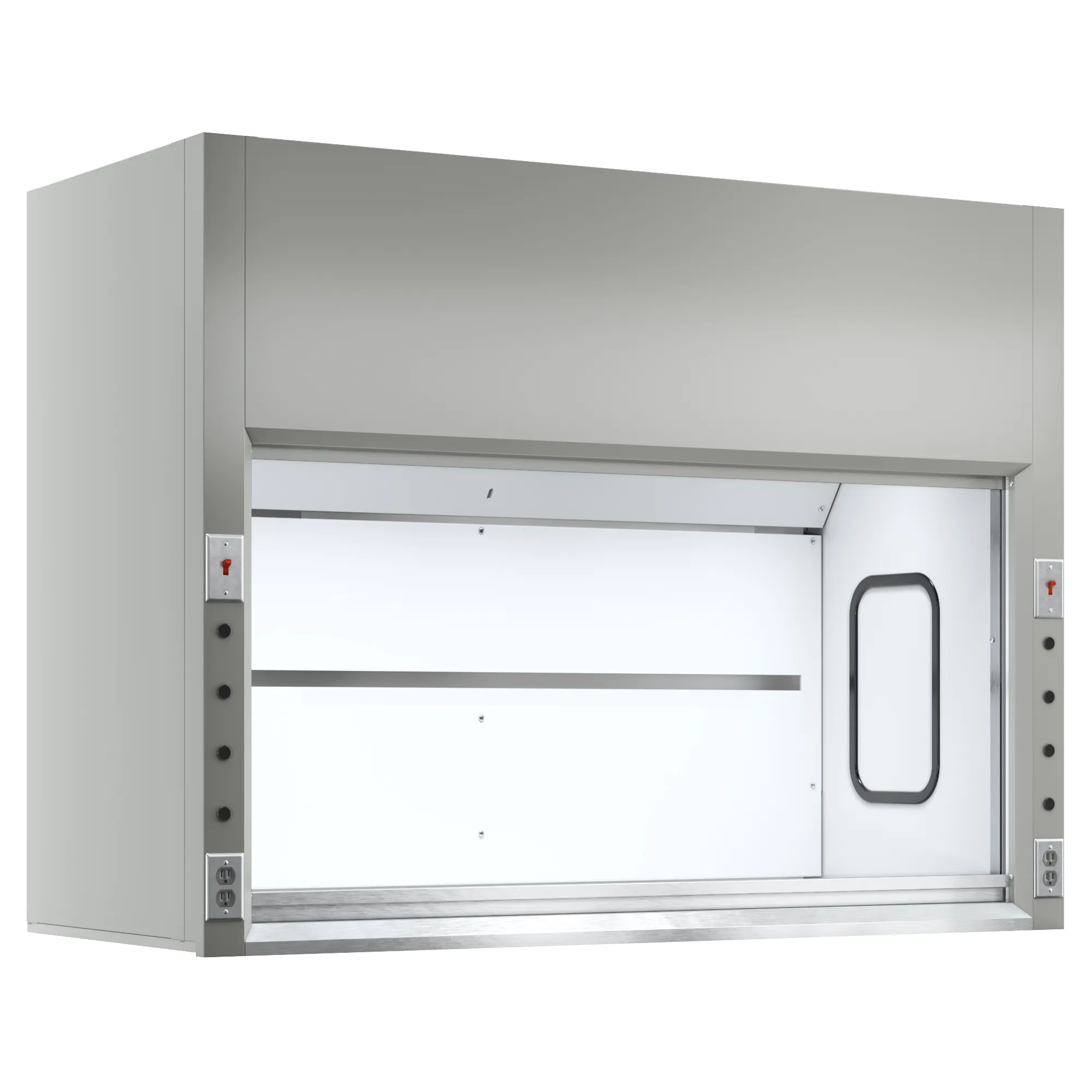
Controlling toxic vapors in a laboratory is non-negotiable: selecting between ducted fume hoods and ductless fume hoods determines both safety and operational efficiency. This guide explains what a fume hood is, how ducted and ductless systems function, their pros and cons, direct comparisons, selection criteria, environmental impacts, and emerging innovations. By the end, you will understand airflow mechanisms, chemical compatibility, installation and energy costs, maintenance demands, sustainability considerations, and future trends to choose the optimal chemical fume hood or benchtop fume hood for your facility.
What Is a Fume Hood and Why Is It Essential for Laboratory Safety?
A fume hood is a local exhaust ventilation device that confines hazardous vapors, particulates, and dust within an enclosure before expelling or filtering the air to protect laboratory personnel. Because laboratory safety hinges on preventing inhalation and environmental contamination, a properly designed fume hood ensures a controlled barrier between experiments and users while maintaining a stable workspace. Recognizing this fundamental protection lays the groundwork for exploring ducted and ductless variations.
What Are the Main Functions of a Fume Hood in Laboratories?
A laboratory fume hood performs three primary functions:
- Containment of harmful vapors and dust to prevent exposure.
- Exhaust or filtration of contaminated air to maintain clean breathing zones.
- Physical separation between user and reactive chemicals for splash and fire protection.
By fulfilling these roles, a fume hood establishes a safe environment that directly enables complex chemical processes without endangering personnel.
How Do Fume Hoods Protect Laboratory Personnel from Hazardous Chemicals?
Fume hoods protect users by continuously drawing air through a front aperture, creating a negative-pressure barrier that captures emissions at their source. As the airflow diverts contaminants either out through ductwork or through specialized filter cartridges, it minimizes inhalation risks and reduces surface deposition of toxic residues. This mechanism preserves both human health and laboratory equipment integrity.
How Do Ducted Fume Hoods Work and What Are Their Key Benefits?
A ducted fume hood expels contaminated laboratory air directly outside the building through an interconnected ductwork system tied into the facility’s HVAC. By routing noxious vapors beyond the laboratory envelope, this external exhaust approach handles a broad range of volatile, corrosive, and toxic chemicals without saturation concerns. Understanding ducted airflow lays the foundation for weighing its reliability against alternative designs.
What Is the Airflow Mechanism in Ducted Fume Hoods?
Ducted fume hoods typically operate as either constant air volume (CAV) or variable air volume (VAV) systems. A CAV hood maintains a fixed face velocity by regulating exhaust fan speed, while a VAV hood adjusts airflow based on sash position or sensor feedback to conserve energy. Both configurations ensure a consistent containment barrier by channeling air through external ductwork directly to the atmosphere.
What Are the Primary Advantages of Using Ducted Fume Hoods?
Ducted fume hoods deliver:
- Broad chemical compatibility that accommodates strong acids, solvents, and reactive gases.
- High capture efficiency with stable face velocity regardless of filter saturation.
- Reliable performance for continuous or high-throughput applications without filter change constraints.
What Are the Common Types of Ducted Fume Hoods?
Ducted configurations include:
- Constant Air Volume (CAV) hoods for fixed-rate exhaust.
- Variable Air Volume (VAV) hoods for demand-based airflow and energy savings.
- Auxiliary air hoods that introduce makeup air near the sash.
- Specialty hoods (radioactive, perchloric acid, walk-in) designed for niche requirements.
Selecting among these options depends on chemical load, lab layout, and energy management goals.
How Do Ductless Fume Hoods Operate and What Are Their Limitations?
Ductless fume hoods draw contaminated air through internal filtration media—such as activated carbon, HEPA, or ULPA filters—and recirculate purified air back into the laboratory. By eliminating external ductwork, this recirculation design offers portability and lower infrastructure costs but must address filter saturation and chemical compatibility challenges. Clarifying the filtration process highlights both flexibility and caution points.
What Are the Advantages of Ductless Fume Hoods for Laboratory Use?
Ductless fume hoods provide:
- Lower installation cost since they require no external ductwork.
- Reduced energy consumption by recirculating conditioned air.
- High mobility and quick redeployment in multi-purpose or temporary lab spaces.
What Are the Limitations and Risks Associated with Ductless Fume Hoods?
Limitations include:
- Restricted chemical compatibility based on filter media specifications.
- Ongoing filter replacement costs and schedules to prevent breakthrough.
- Possible exposure risks if filters become saturated or are mismatched to the chemical load.
Which Filter Types Are Used in Ductless Fume Hoods and How Are They Selected?
Common filter media include:
- Activated Carbon for organic solvents and vapors.
- HEPA filters for particulate and aerosol removal.
- ULPA filters for ultrafine particle capture.
- Specialty media blends targeting acid gases, ammonia, or formaldehyde.
Filter selection depends on a chemical compatibility assessment that matches laboratory reagents with adsorbent properties and breakthrough thresholds.
What Are the Key Differences Between Ducted and Ductless Fume Hoods?
Ducted and ductless fume hoods differ primarily in their airflow pathways, chemical handling capabilities, installation and operating costs, maintenance requirements, and mobility options. Comparing these factors side by side clarifies which system aligns with specific laboratory demands and safety standards.
| Feature | Ducted Fume Hoods | Ductless Fume Hoods |
|---|---|---|
| Airflow Mechanism | External exhaust through building ductwork | Internal filtration and recirculation |
| Chemical Compatibility | Broad range, including acids and volatile organics | Limited to chemicals adsorbed by selected filter media |
| Installation Cost | High due to ductwork and HVAC integration | Lower initial expense without duct installation |
| Energy Consumption | Increased HVAC load for makeup air | Reduced energy by recirculating conditioned air |
| Maintenance Requirements | Periodic HVAC and duct inspections | Regular filter replacement and media monitoring |
| Mobility | Fixed installation | Portable benchtop or movable units |
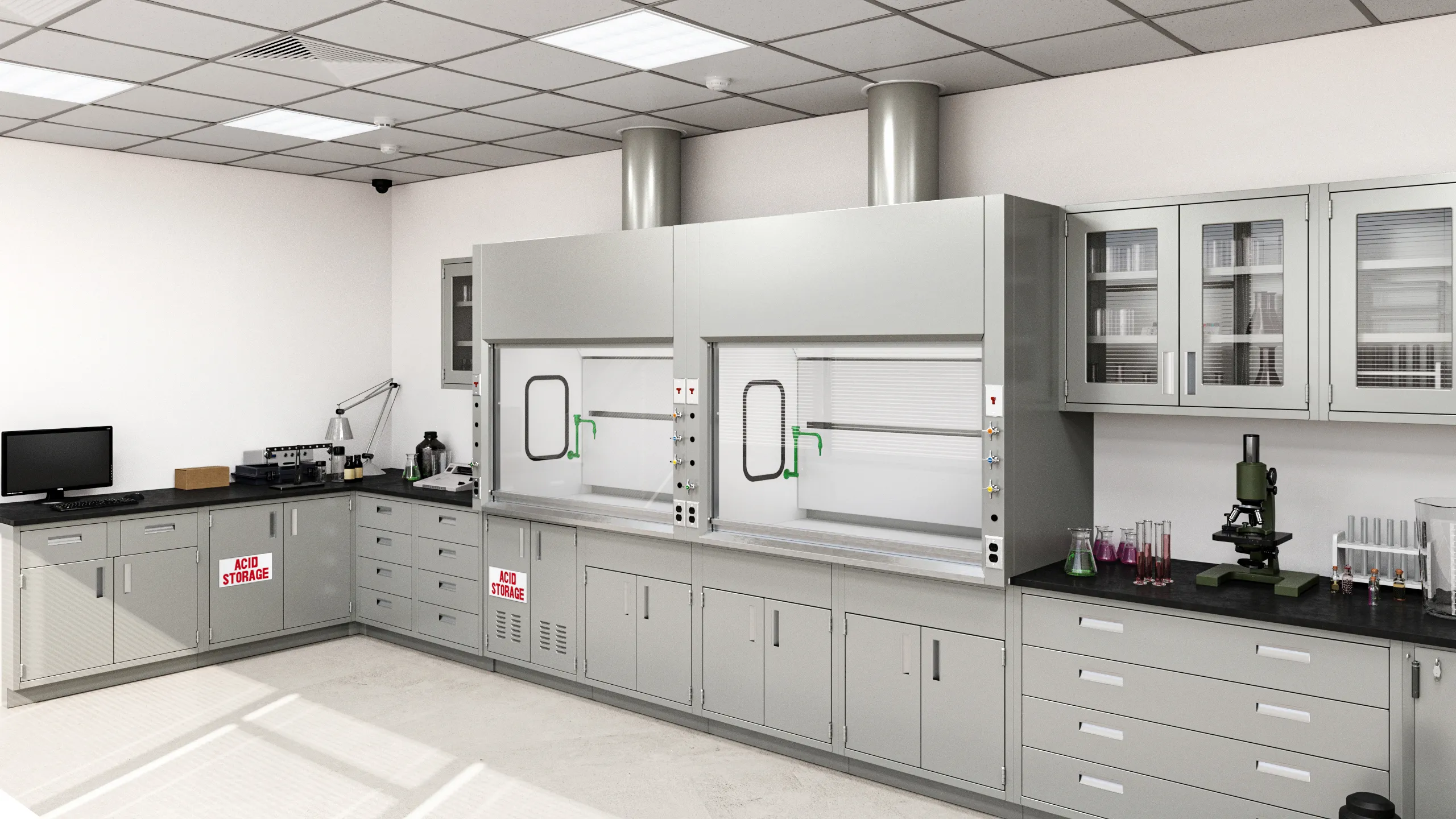
How to Choose the Right Fume Hood for Your Laboratory: A Practical Selection Guide
Selecting an appropriate fume hood requires a structured evaluation of laboratory workflows, chemical hazards, financial constraints, and regulatory mandates. A systematic approach ensures the chosen system protects personnel, meets compliance, and aligns with operational budgets.
What Laboratory Factors Should Influence Your Fume Hood Selection?
Considerations include:
- The types and volumes of chemicals handled.
- Frequency and duration of fume-generating procedures.
- Available space and existing HVAC capacity.
- Required face velocity and containment performance.
Weighing these factors guarantees that the system functions effectively within your lab’s unique constraints.
How Does Budget Impact the Choice Between Ducted and Ductless Fume Hoods?
Budget analysis evaluates:
- Initial capital outlay for equipment and ductwork.
- Long-term operating costs such as HVAC energy or filter replacements.
- Total cost of ownership combining maintenance labor, utility bills, and disposal fees.
A lifecycle cost framework highlights trade-offs between upfront investment and recurring expenses.
What Regulatory Standards Must Be Considered When Selecting a Fume Hood?
Compliance must align with:
- OSHA 29 CFR 1910.1450 for exposure to laboratory chemicals.
- ANSI/ASHRAE 110 testing protocols for performance verification.
- NFPA 45 guidelines on fire protection for chemical laboratories.
What Are the Best Installation and Maintenance Practices for Optimal Performance?
Best practices include:
- Verifying face velocity at 80–120 ft/min after installation.
- Scheduling filter or airflow monitor checks every three to six months.
- Performing duct inspections and balancing annually for ducted systems.
- Calibrating airflow alarms and interlocks according to manufacturer recommendations.
Consistent upkeep sustains safety margins and maximizes equipment life.
What Is the Environmental Impact of Ducted vs. Ductless Fume Hoods?
Assessing environmental impact involves comparing the energy demands of exhausting conditioned air against the waste generated by spent filters. A holistic view of sustainability helps laboratories minimize carbon footprints while maintaining safe ventilation.
How Does Exhaust Air Affect Laboratory Energy Efficiency and Sustainability?
Exhausting large volumes of conditioned air through ducted hoods increases HVAC load and energy consumption for makeup air treatment. Although this approach guarantees contaminant removal, it also elevates operational carbon emissions and utility costs.
What Are the Environmental Concerns Related to Filter Disposal in Ductless Systems?
Ductless filters loaded with adsorbed chemicals become hazardous waste requiring specialized disposal. While recirculation reduces energy usage, managing spent media responsibly is essential to prevent environmental contamination and regulatory violations.
What Are Future Trends and Innovations in Laboratory Fume Hood Technology?
Emerging fume hood developments focus on smarter controls, advanced filter materials, and sustainable design principles. Anticipating these trends equips laboratories to adopt the next generation of chemical containment solutions that improve safety and reduce operational impact.
How Are Advances in Filter Technology Expanding Ductless Fume Hood Applications?
New filter media—such as nanofiber sorbents and molecular sieves—enable ductless hoods to capture a wider array of chemical vapors, including low-molecular-weight acids and polar solvents. These breakthroughs support safer use in specialized research and educational environments.
How Are Energy Efficiency and Sustainability Driving Fume Hood Design?
Innovations like variable air volume controls, heat-recovery ventilators, and demand-based airflow sensors reduce energy wasted on makeup air while maintaining optimal face velocity. Integrating these systems promotes green laboratory certification and lowers lifecycle costs.
What Emerging Safety Standards and Regulations Will Affect Fume Hood Use?
Anticipated updates to ASHRAE face velocity criteria, tighter emissions limits for volatile organic compounds, and enhanced performance verification protocols will shape future fume hood requirements. Staying informed on these regulatory shifts ensures ongoing compliance and safe operation.
Laboratories that evaluate chemical hazards, infrastructure, budget, and regulatory requirements can confidently choose between ducted and ductless fume hoods. Proper installation and maintenance reinforce containment performance while minimizing long-term costs and environmental impact. As filter technologies and energy-saving designs evolve, future fume hoods will deliver even greater safety, sustainability, and flexibility for diverse research applications. Partnering with ventilation experts ensures your laboratory adopts the optimal solution for chemical protection and operational efficiency.